Digital Accessibility
My role: UX/UI Designer
Thesis
Tecnológico de Monterrey, 2024
2.2 billion people worldwide live with vision impairment.
Yet accessible digital banking remains a challenge for many people who rely on assistive technology.
Overview
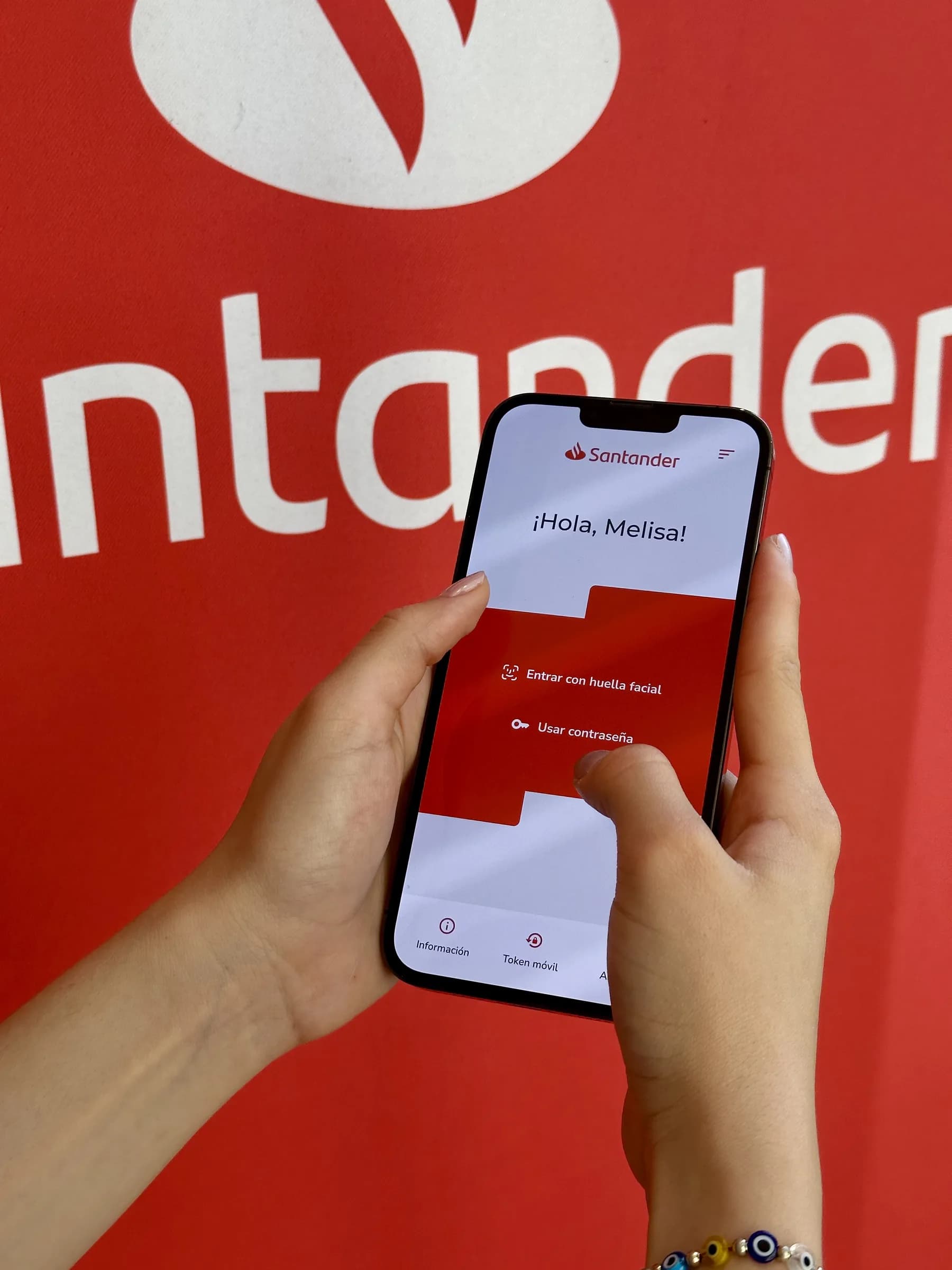
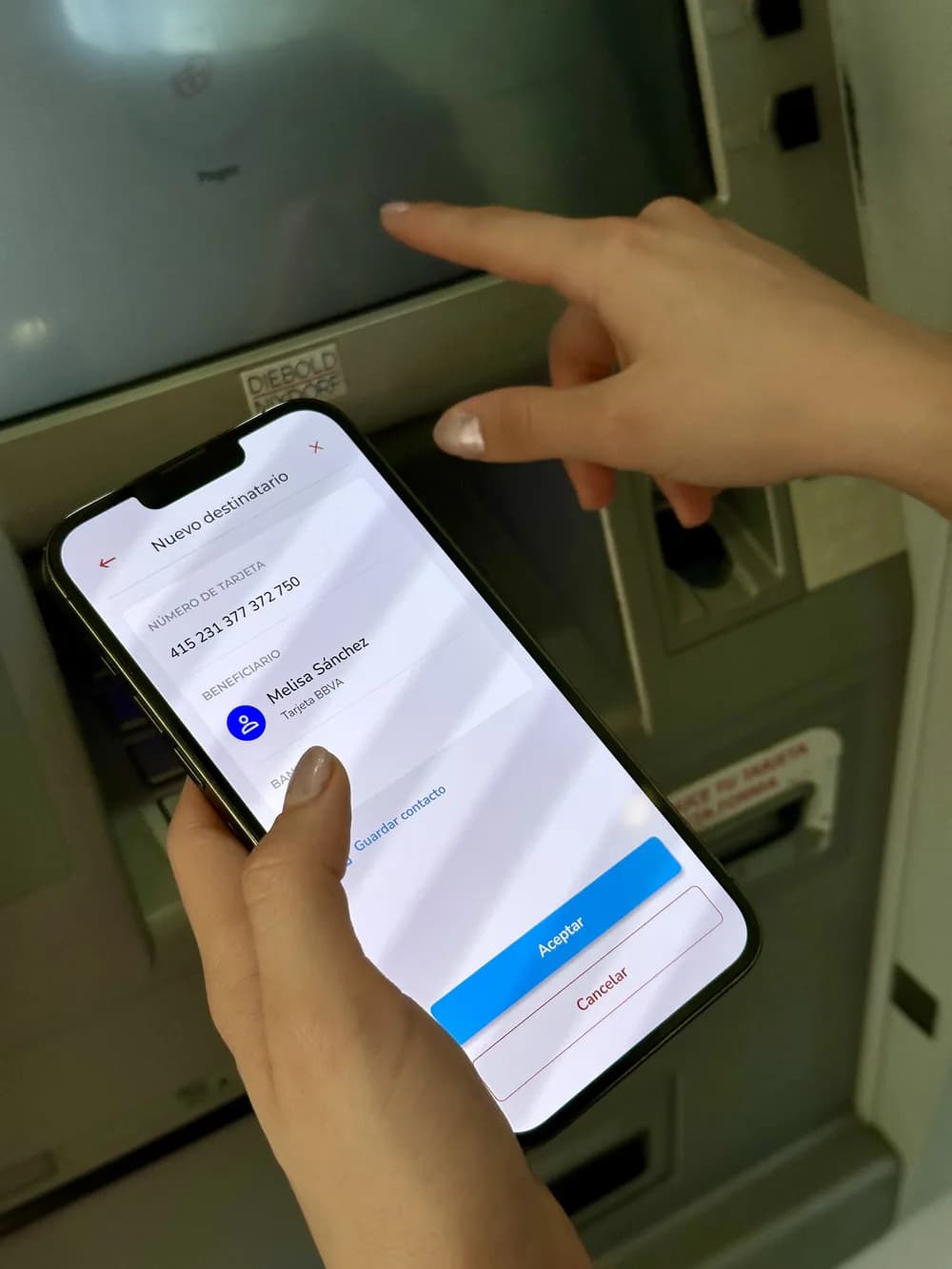
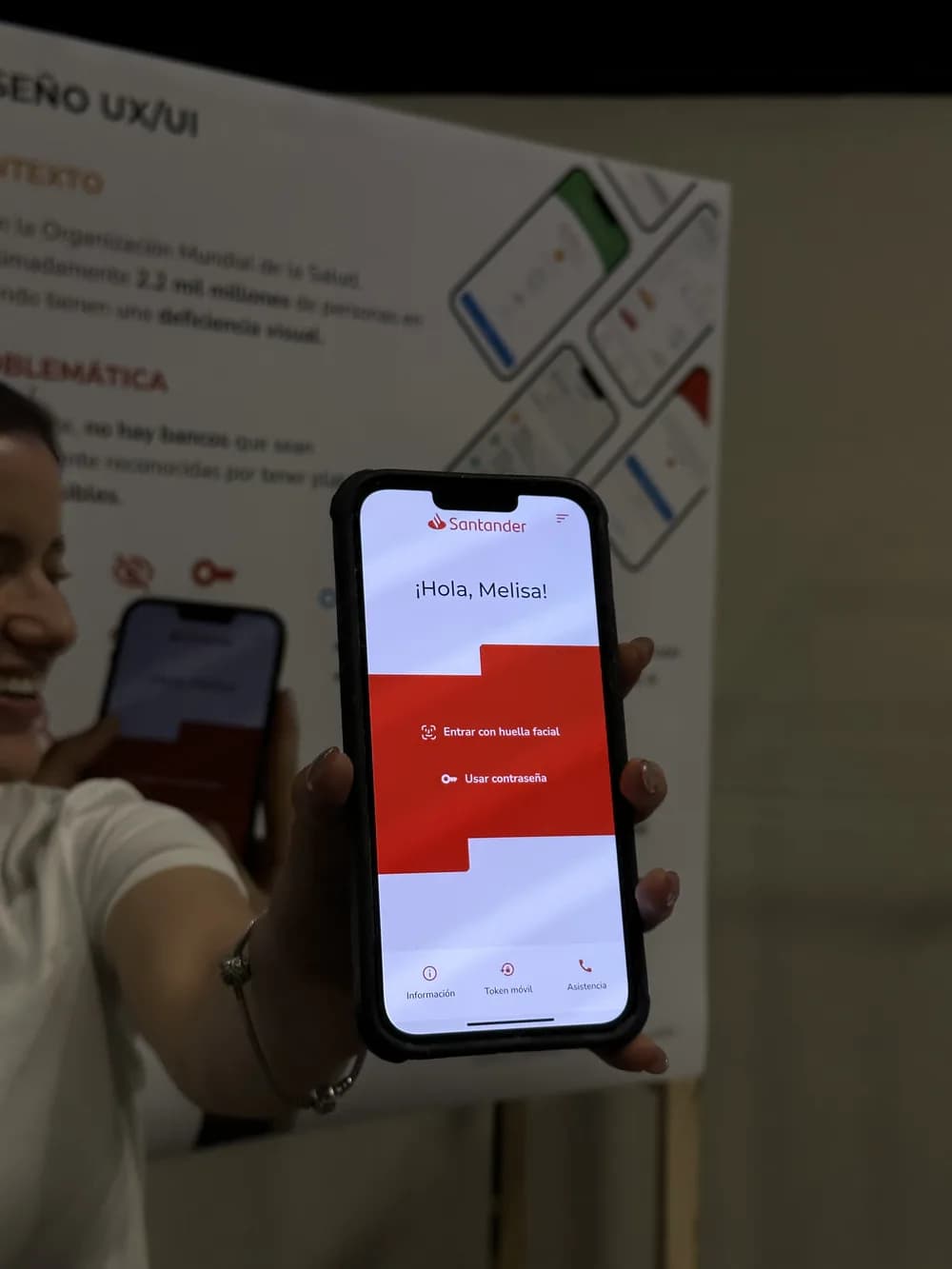
A conceptual redesign of Santander’s mobile banking app focused on improving the banking experience for blind and visually impaired users. The project explored how accessibility principles and WCAG guidelines could create a clearer, more navigable, independent, and inclusive experience.
Problem
Blind and visually impaired users often face difficulties navigating and completing banking tasks because of accessibility barriers, such as unclear information hierarchy, limited screen-reader compatibility, difficult-to-identify buttons, and complex user flows.
As a result, they may depend on others to check their balance, transfer money, or confirm transactions, affecting their independence, security, and confidence.
User Persona

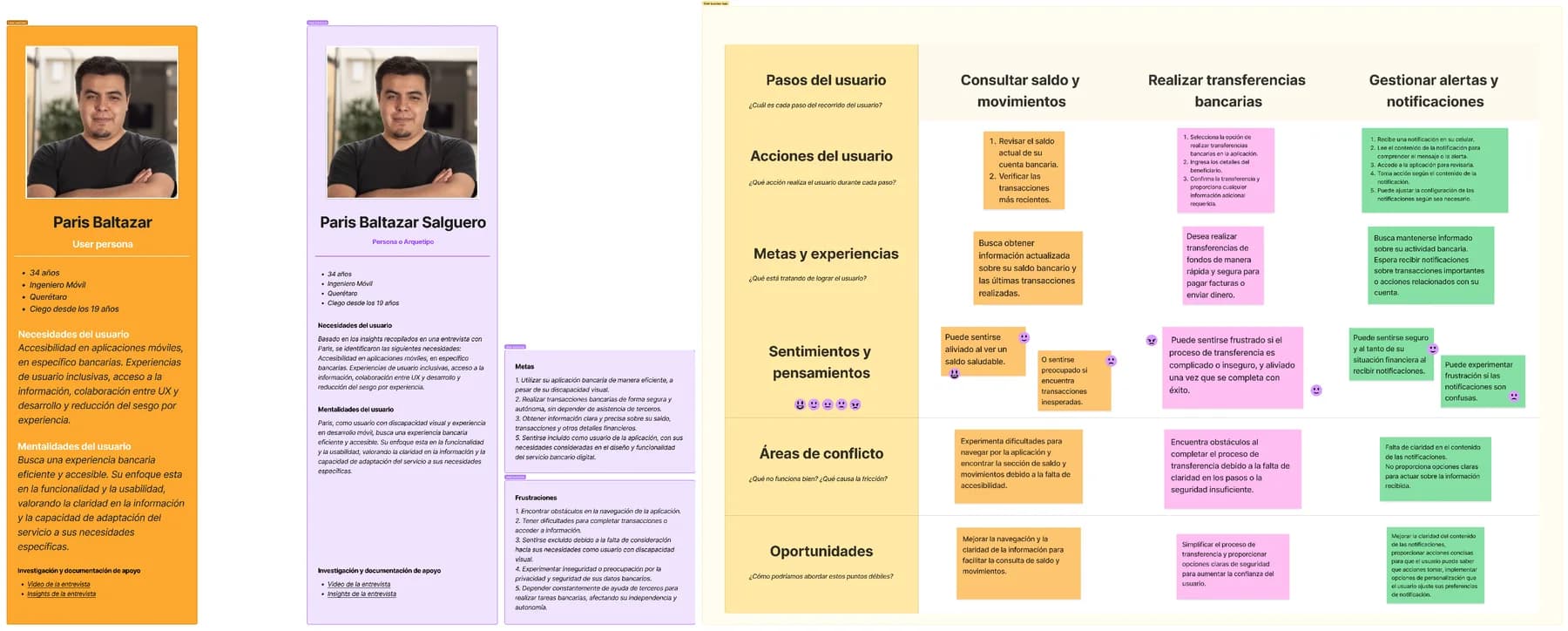
Paris Baltazar
Paris Baltazar is a 34 year old mobile engineer based in Querétaro. He has been blind since the age of 19 and relies on accessible digital experiences to navigate technology independently in his daily life.
“There is an experience bias that affects the accessibility of digital applications” — Paris
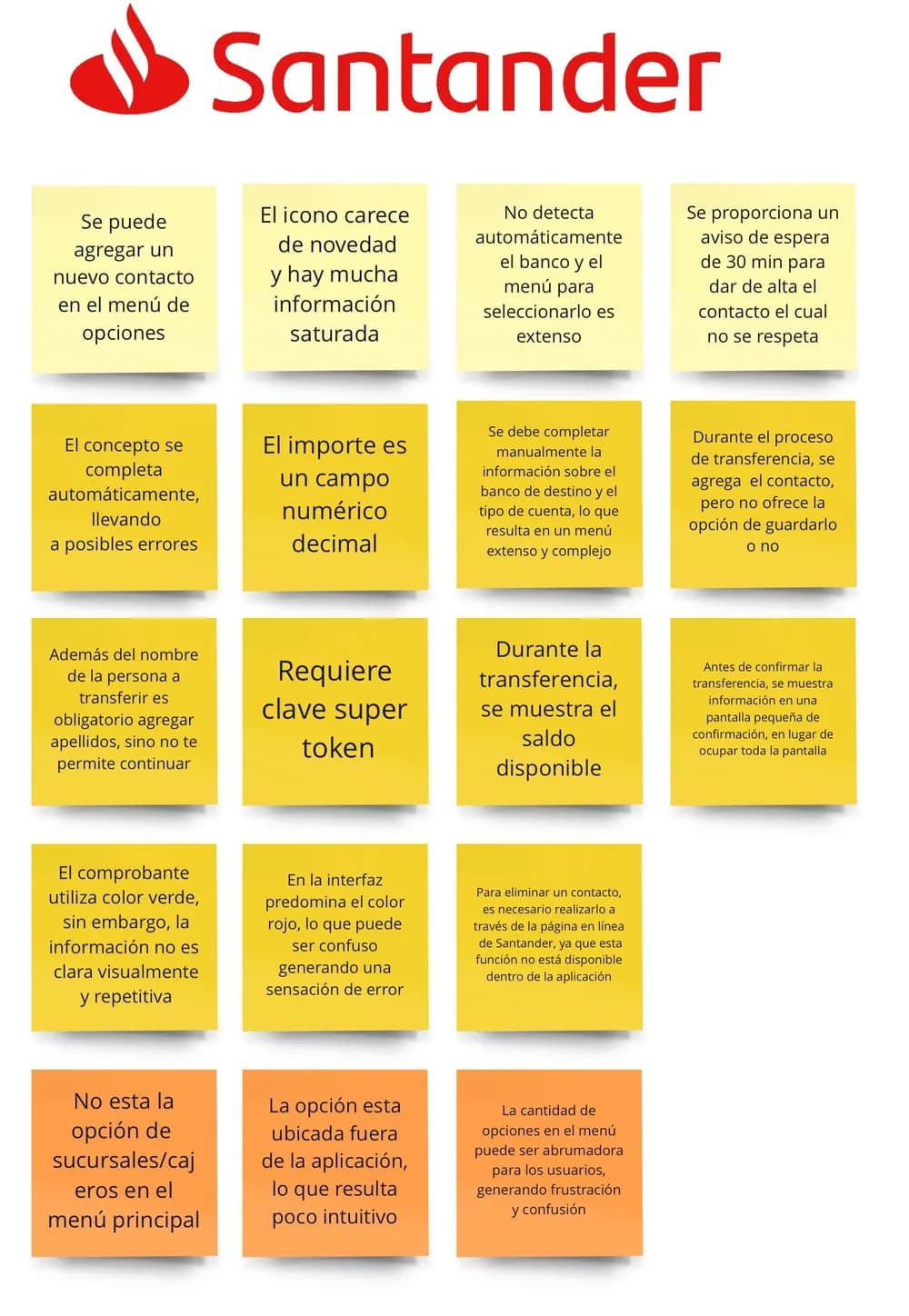
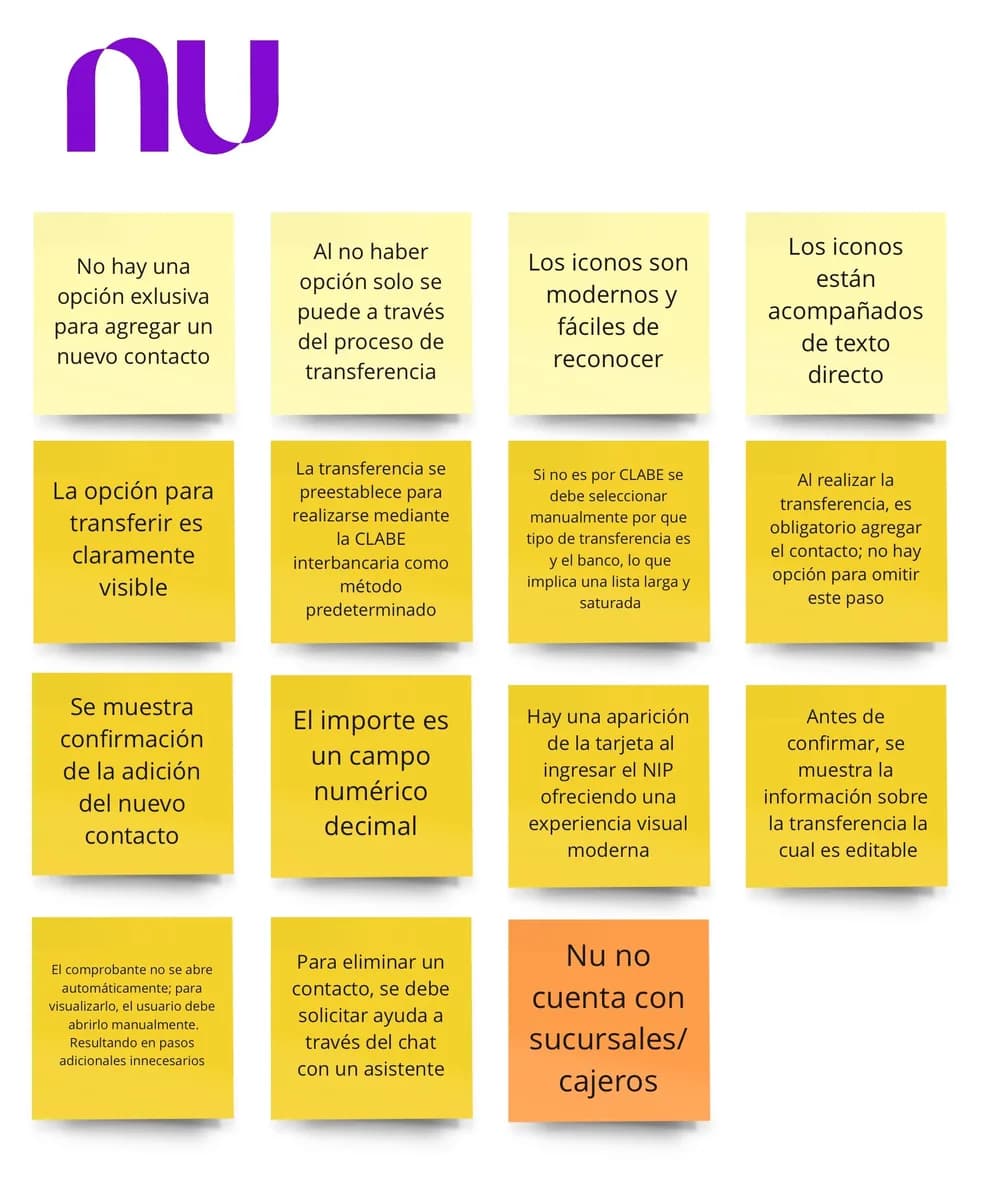
Benchmarking
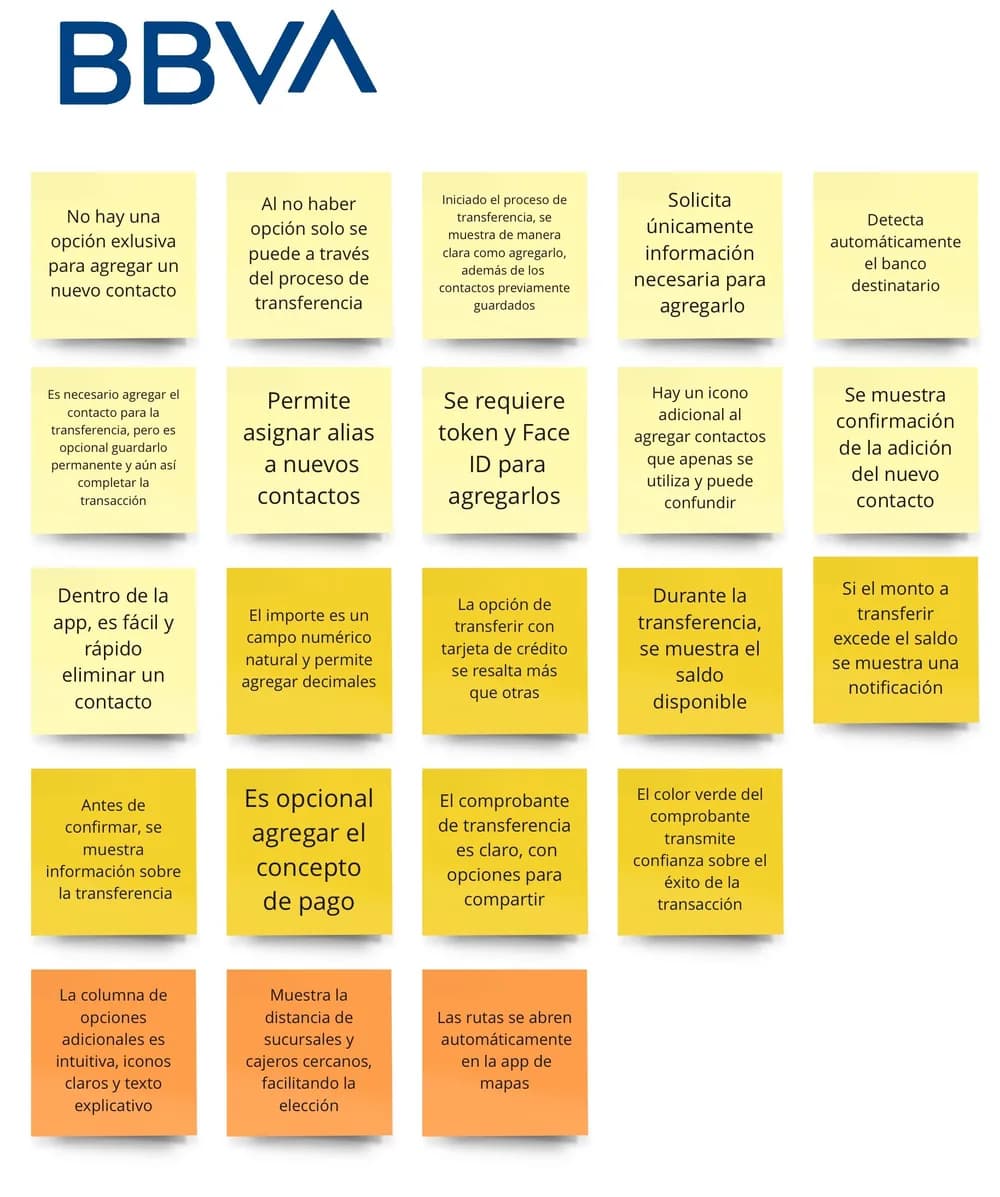
Evaluated Banking Apps
- BBVA
- Santander
- Nu
Operations
- Add a new contact
- Make a transfer
- Find branches/ATMs
Objectives
- Evaluate usability and efficiency
- Assess security
- Analyze accessibility
Outcome
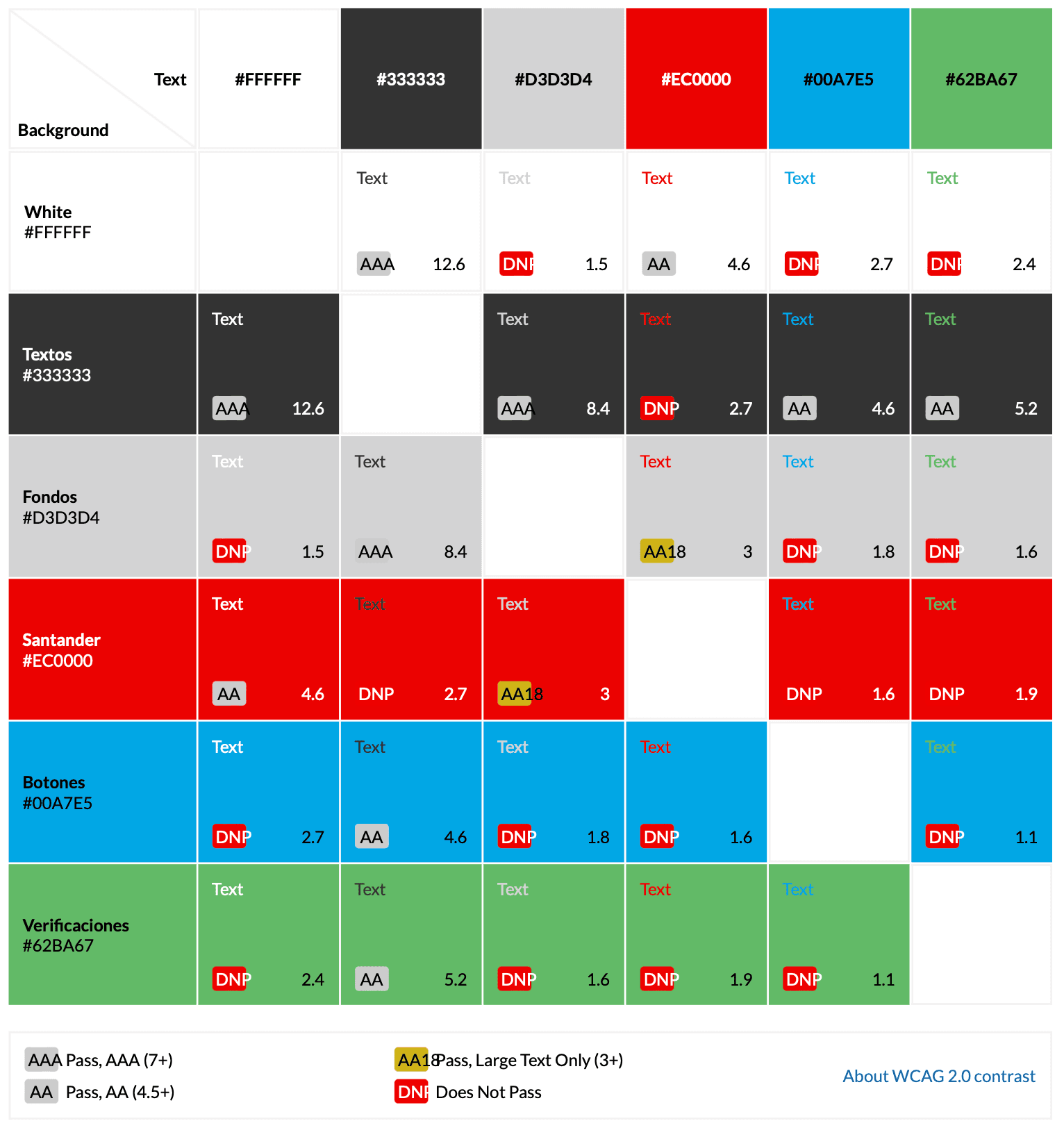
The redesigned transfer flow reduced completion time from 1:39 to 1:15, saving 24 seconds, while improving accessibility through clearer navigation and WCAG-informed contrast decisions.
Key Takeaways
- Accessibility should be integrated from the beginning of the design process.
- Clear hierarchy and simpler flows improve usability and confidence.
- Small design improvements can create a meaningful impact on user independence.